How to Build a Simple Skincare Routine for Beginners
A practical walkthrough for anyone starting their first skincare routine — what to get, what order to apply it, and how to keep it simple.
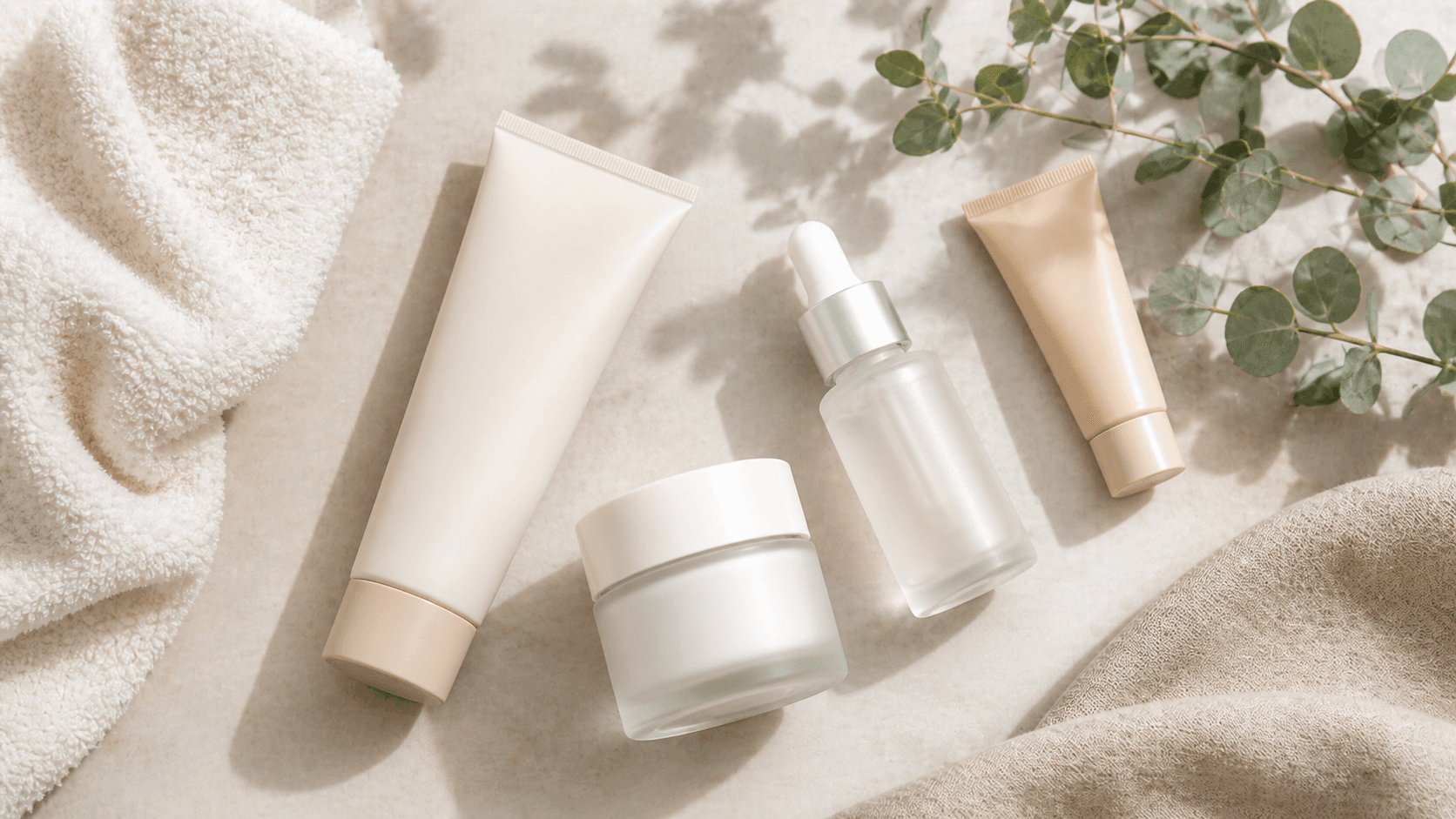
Skincare can feel overwhelming. Walk into any pharmacy and you'll find shelves of products all promising clearer, younger-looking, or more radiant skin. Spend time online and you'll encounter ten-step routines, ingredient layering guides, and a new "must-have" product every other week.
The good news is this: a simple routine done consistently usually outperforms a complicated one done occasionally. For most beginners, three products form a reliable foundation — and starting there, rather than with ten products you're not sure how to use, is almost always the better approach.
The Three Basic Steps
Almost every effective skincare routine — beginner or advanced — is built on the same three products. Everything else is layered on top of them once the basics are working.
Cleanser
A cleanser removes oil, dirt, sunscreen, and environmental buildup that accumulates on your skin throughout the day. Its job is preparation, not transformation. A cleanser that leaves your face feeling tight, dry, or uncomfortable after rinsing is typically doing more harm than good — that feeling is a sign the skin barrier is being disrupted.
Choose a gentle, low-lather formula appropriate for your skin type. For most people, cleansing twice a day — morning and evening — is enough. If your skin tends to be dry or sensitive, a gentle water rinse in the morning instead of a full cleanse is a reasonable and commonly used approach.
Moisturizer
Moisturizer helps your skin retain water and supports the skin barrier — the outer layer that keeps irritants out and moisture in. It is not just for dry skin. Even oily skin benefits from moisturizing; skipping it can sometimes cause the skin to produce more oil as a compensatory response.
The right texture matters more than the brand. Thicker creams suit dry or very dry skin; lighter gels or fluid lotions tend to work better for oily or combination skin. Look for fragrance-free formulas, especially when you are just starting out — fragrance is one of the more common causes of contact irritation.
Sunscreen
Daily sunscreen is one of the most consistently supported habits in skincare. UV exposure is a primary driver of photoaging, uneven skin tone, and cumulative skin damage that builds over years, not days. The American Academy of Dermatology recommends a broad-spectrum sunscreen with SPF 30 or higher, worn every morning — not just on sunny days, and not just in summer.
There are two main types: chemical sunscreens, which absorb UV radiation, and mineral sunscreens (containing zinc oxide or titanium dioxide), which sit on the surface and reflect it. Both are effective. Mineral formulas tend to be better tolerated by sensitive skin. The best sunscreen is the one you will actually wear consistently.
Morning Routine Example
A simple morning routine does not need to take more than a few minutes:
- Cleanse — Use a gentle cleanser, or rinse with water if your skin is dry or sensitive.
- Moisturize — Apply a lightweight moisturizer suited to your skin type.
- Sunscreen — Apply a broad-spectrum SPF 30 or higher as your final step, after your moisturizer has been absorbed.
Three steps. Keeping the routine short makes the habit easier to maintain — and consistency matters more than complexity.
Evening Routine Example
Your evening routine follows the same structure, minus the sunscreen:
- Cleanse — A thorough evening cleanse is important because it removes sunscreen and any buildup from the day. This is the cleanse that matters most.
- Moisturize — Apply your moisturizer while your skin is still slightly damp after cleansing, which can help with absorption.
If you later add a treatment product — a serum, retinol, or targeted active — it goes after cleansing and before moisturizer.
When to Add Serums or Active Ingredients
Once your three-product routine is consistent — meaning you are doing it most days without skipping — you can consider adding a product that targets a specific concern. Common first additions include:
- Vitamin C (morning) — supports a brighter complexion and helps even out skin tone over time
- Niacinamide — helps with visible pores, oiliness, and uneven tone; generally well-tolerated by most skin types
- Retinol (evening) — supports skin cell turnover; commonly used for fine lines and texture, but needs to be introduced slowly
- AHA or BHA acids — help with exfoliation, texture, and congestion; use once or twice a week to start
The most important rule: add one product at a time, and use it a few times a week before increasing frequency. If something causes a reaction, you need to be able to identify which product is responsible.
Most people benefit from waiting at least four to six weeks of consistent basic-routine use before introducing any active ingredients.
Common Beginner Mistakes
Buying too many products at once. Starting with twelve products makes it nearly impossible to know what is actually working. A small set of products gives your skin time to respond before you add anything new.
Over-cleansing. Using a cleanser more than twice a day, or using a formula that is too stripping, can compromise your skin barrier. Signs include persistent tightness, dryness, or more oil than usual appearing within a few hours of washing.
Skipping sunscreen. UV damage is not visible day-to-day, which makes SPF easy to deprioritize. But it accumulates over time, and most dermatologists would describe daily sunscreen as the single most impactful skincare habit available to most people.
Introducing strong actives too early. Products like retinol, high-concentration acids, and some vitamin C formulas can cause irritation, flaking, or sensitivity when introduced before the skin barrier is stable. Build your basic routine first.
How GlowCart Can Help
If you are not sure which cleanser, moisturizer, or sunscreen to start with, GlowCart's skin quiz can help organize your options. The quiz takes a few minutes and asks about your skin type, main concerns, sensitivity, and routine preferences. Based on your answers, it suggests products from a curated list — without asking you to scroll through hundreds of options.
GlowCart does not replace professional skincare advice. But it is a useful starting point if you are choosing your first products without much background knowledge, and want a short list rather than an overwhelming one.
Conclusion
A good beginner skincare routine does not need to be expensive, complicated, or time-consuming. Start with a gentle cleanser, a moisturizer suited to your skin type, and daily sunscreen. Use them consistently — most days, not perfectly — before adding anything else.
Most of the lasting benefits people notice from a skincare routine come from this foundation. Everything added on top of it is secondary. Build the habit first, then refine it once you understand what your skin actually needs.
Sources and Further Reading
- American Academy of Dermatology — Skin Care Basics
- American Academy of Dermatology — Sunscreen FAQs
- American Academy of Dermatology — Moisturizer Guidance
Disclaimer: This guide is for general skincare education only and is not medical advice. If you have persistent acne, irritation, eczema, rosacea, allergic reactions, or a diagnosed skin condition, consider speaking with a dermatologist or qualified healthcare professional.
GlowCart may earn a commission when users purchase through affiliate links, at no extra cost to them.